
As developments unfold in the heat transfer fluid (HTF) industry, renewed interest and fresh questions around material compatibility are on the rise. The shift towards more sustainable and bio-based fluids has brought new HTFs to market while demands for higher efficiency in data centers have led to increasingly stringent cleanliness standards for wetted materials.
Metal hose has long served as a reliable component for HTF conveyance in applications spanning oil-based synthetics in industrial processes to refrigerants and coolants in HVAC systems. Its benefits shine brighter as cleanliness becomes a top priority and the changing characteristics of heat transfer fluids call for higher operating pressures and elevated discharge temperatures, both catalysts for contamination, as well as stricter leak rates due to flammability concerns.
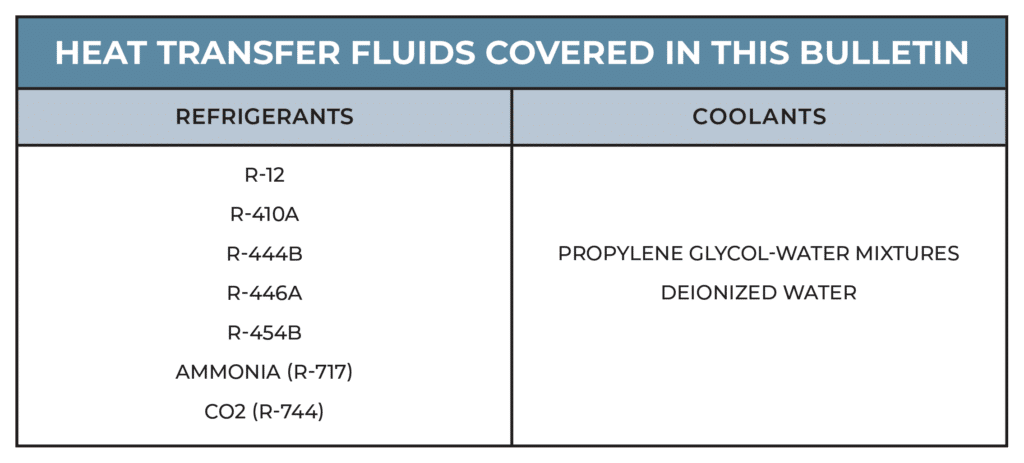
While the heat transfer fluid market is broad, this engineering bulletin focuses solely on material compatibility of the austenitic stainless steels with common refrigerants and coolants responsible for heat removal and overheating prevention. The bulletin does not address other types of heat transfer fluids designed to maintain process temperatures.
Why Material Compatibility Matters
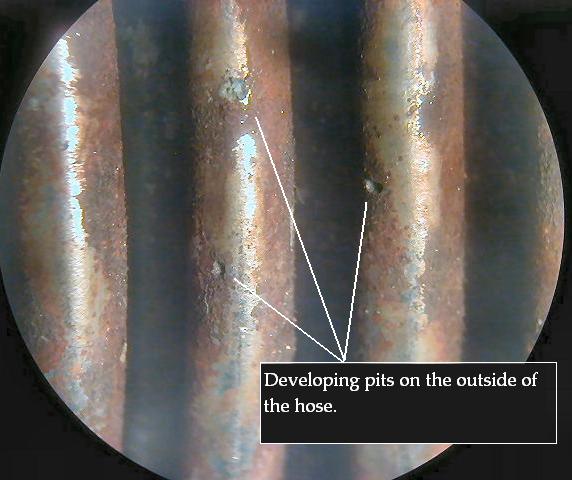
Corrosion is a consequence of pairing incompatible materials with flow media. As hose material wears away, pitting, cracks, and leaks ensue, leading to premature hose failure, system downtime, and possible equipment damage.
One of the primary benefits of metal hose is superior corrosion resistance. The 300 series austenitic stainless steels are compatible with a broader range of chemicals, and often to a greater degree, than most other hose materials. This means metal hoses will last longer in service, reducing the need for costly and disruptive replacements.
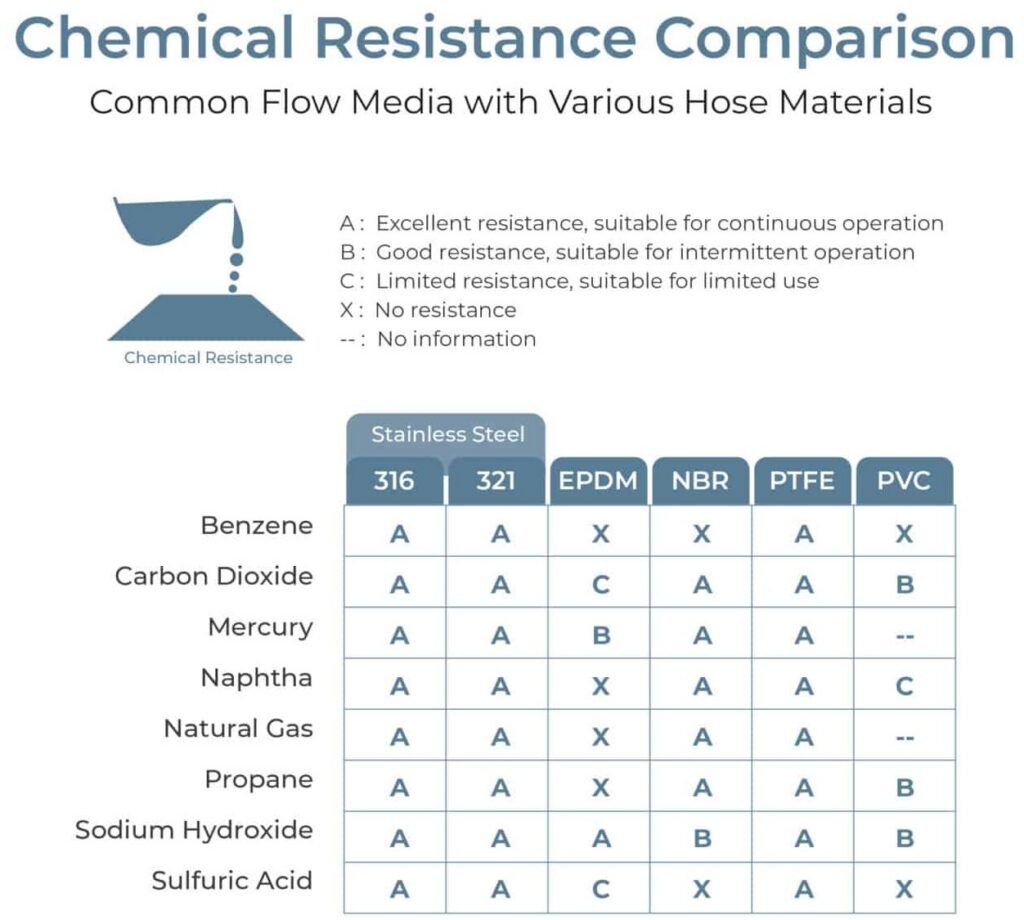
Though heat transfer fluids are not generally considered corrosive, there are operating conditions such as elevated temperatures and failure mechanisms such as the ingress of moisture that can exacerbate corrosion. Depending on application conditions and the likelihood of contamination, corrosion resistance may be a priority criterion.
How Material Compatibility Affects Fluid Cleanliness
Heat transfer fluids enable systems and processes to run. From residential air conditioning to liquid cooled data centers, refrigerants and coolants require a network of pumps, hoses, valves, and gaskets to do their job. If any contamination enters or media evaporates out of the system, efficiency suffers. Weak links in the piping system are often the culprit.
The connection between material compatibility and HTF cleanliness lies with corrosion-induced material wear. If a wetted component is not compatible with flow media, or is susceptible to degradation over time, material will leach into the fluid, contaminating it and affecting system performance.
Case Study: Coolant Contamination from Sulfur-Cured EPDM in Data Centers
Driven by the need for higher-density servers in response to the public’s seemingly insatiable appetite for AI and cloud computing, data centers have undergone a rapid shift towards liquid cooling over the last few years. Sulfur-cured EPDM hoses were initially used to convey glycol mixtures containing deionized (DI) water in direct-to-chip systems. Because sulfur is highly soluble in water, unreacted elemental sulfur from the curing process could leach into the coolant and cause particulate fouling.1 The result was reduced heat transfer efficiency, leading to performance degradation and shortened component lifespan.
Once efficiency losses were realized, the industry transitioned to higher-cost peroxide-cured EPDM hoses which better resist chemical interaction with DI water. Stainless steels 304/321 and 316 hoses have emerged as another alternative and offer the additional benefit of long-term material stability, as rubber hoses will gradually degrade over time.2
Regulatory Changes Driving Refrigerant Evolution
Refrigerants cycle between gas and liquid to remove heat, and these HTFs have been targeted by legislation pushing for more environmentally friendly solutions. Following research connecting the release of man-made chlorofluorocarbons (CFCs) such as R-12 with holes in the Earth’s ozone layer, the international Montreal Protocol and subsequent Clean Air Act Amendments of 1990 banned their use.
A significant percentage of CFC release was attributed to leaks in both residential and commercial air conditioning systems and commercial refrigeration.3 In preparation for the ban on CFCs, which went into effect in the U.S. on January 1, 1996, producers began developing less damaging hydrofluorocarbons (HFCs), such as R-410A. The HVAC industry successfully transitioned to HFCs as these new refrigerants became available.
HFCs, while not ozone depleting substances, have high global warming potential. Subsequent amendments to the Montreal Protocol and the 2020 American Innovation and Manufacturing (AIM) Act set the stage for the current phaseout of HFCs. 2025 marked the beginning of restrictions on the production and importation of HVAC systems using HFCs and mandates requiring the use of newer, low-global warming potential (GWP) A2Ls and natural alternatives. A2Ls are non-toxic, mildly flammable refrigerants.4 R-454B, R-444B, and R-446A are some common A2L blends. Non-synthetic refrigerants include ammonia and CO2.
Material Compatibility of Stainless Steel in Refrigerant Systems
Refrigerants are classified according to toxicity and flammability under ASHRAE Standard 34, which assigns designations such as A1, A2L, or B2L based on safety characteristics. While these classifications define handling and system design requirements, they do not address material compatibility.
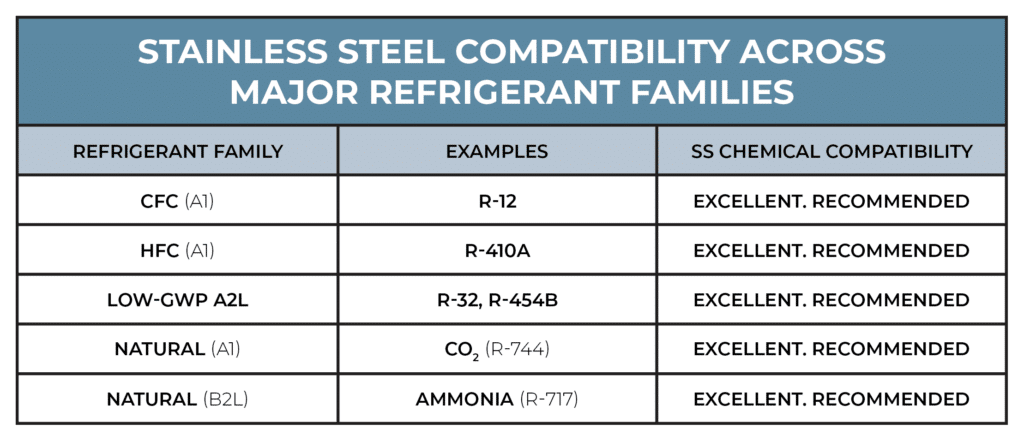
Compatibility between stainless steels and refrigerants is instead evaluated using ASHRAE Standard 97, which provides standardized testing methodology for refrigerant–lubricant interactions with materials under elevated temperature conditions. Refrigerant manufacturers, lubricant formulators, and OEMs use the procedure to generate data that can then be used to ascertain whether a certain material is compatible with a specific refrigerant-lubricant combination. Technical guides show HFCs, such as R-410A, have excellent compatibility with system metals.5
There is less widely published information about newer A2L refrigerants, such as R-32 and R-454B, though stainless steel generally performs well in non-aqueous refrigerant circuits. The 300 series steels also demonstrate excellent corrosion resistance with natural refrigerants, such as ammonia and CO2.
Beyond Chemistry: Additional Material Compatibility Considerations
Material compatibility involves more than fluid and lubricant chemistry alone. Additional system-level factors, including moisture ingress, operating conditions, and refrigerant safety classification, must also be evaluated. Across all refrigerant families, the ingress of water presents corrosion risk. Some A2L refrigerants operate at higher discharge temperatures or pressures than HFC predecessors. All are classified as mildly flammable.
Moisture is a particular concern in closed refrigerant systems.
While refrigerants are designed to remain chemically stable when used within design parameters, the presence of water can enable decomposition reactions under elevated temperature conditions. Fluorinated refrigerants exposed to excessive heat and moisture may generate acids, including hydrofluoric acid (HF) which is highly corrosive. In properly installed and maintained systems, moisture levels are tightly controlled and this risk should be minimal.
System designers and engineers must also consider polyolester (POE) lubricants commonly used with modern refrigerants. POEs are hygroscopic and readily absorb moisture, which reduces lubricant stability and increases the potential for acid formation.
Water contamination also raises another consideration: chlorides.
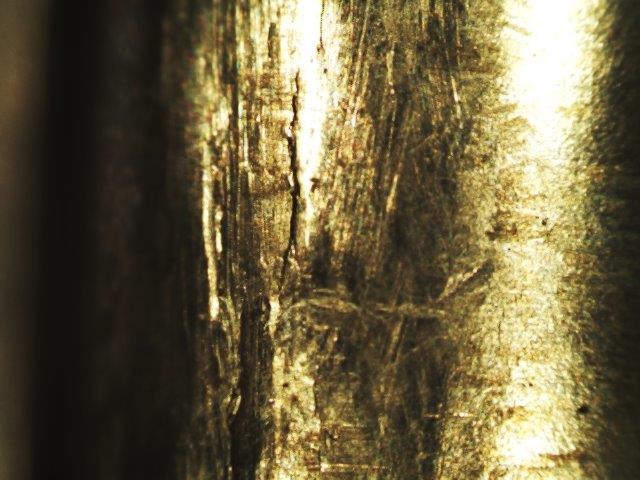
Water is rarely chemically pure and may contain dissolved chloride ions. Stainless steels exposed to chlorides are susceptible to pitting corrosion and, under tensile stress, stress corrosion cracking (SCC). Where chloride exposure is possible, 316L stainless steel is generally preferred over 321 due to its molybdenum content, which improves resistance to localized corrosion and reduces the likelihood of pitting, often a precursor to SCC.
Temperature further influences corrosion behavior.
As a general principle, chemical reaction rates increase with temperature though actual corrosion rates vary by environment and alloy. Iso-corrosion charts demonstrate that corrosion acceleration is not linear and depends on specific chemistry and exposure conditions.
Elevated temperature also affects mechanical performance. As temperature increases, material strength decreases, requiring pressure ratings to be reduced accordingly. While metal hose assemblies are robust and suitable for high-pressure applications, temperature-induced pressure derating must still be considered, particularly as new heat transfer fluids with evolving thermodynamic properties are introduced to meet environmental and efficiency targets.
Designing for flammability requires heightened attention to leak prevention.
Although austenitic stainless steel is inherently non-flammable, system safety ultimately depends on minimizing refrigerant release. Hoses are often located near equipment, electrical components, and other potential ignition sources; therefore, leak integrity becomes increasingly critical in A2L applications.
Unlike rubber or plastic alternatives, metal hose is non-porous and does not permit permeation through the hose wall. When end fittings are properly welded–for example, in accordance with procedures qualified and welders certified under ASME Section IX–the risk of leakage at the hose-to-fitting interface is significantly reduced. In addition, leak verification methods can extend beyond standard air-under-water bubble testing to more sensitive procedures, such as helium mass spectrometer testing, enabling tighter acceptance criteria. Robust fabrication and testing practices not only reduce refrigerant emissions but also limit pathways for moisture ingress into the system.
Stainless Steel Compatibility with Coolants
While commonly associated with automotive antifreeze, coolants are widely used in manufacturing, power generation, medical equipment, high-performance computing, and data centers. Regardless of application, the objective remains the same: to remove heat efficiently and prevent equipment damage.
In data centers, liquid cooling technologies are increasingly deployed to support higher-density rack configurations. Single-phase direct-to-chip (cold plate) systems typically rely on glycol- or water-based solutions, while immersion systems use both single and two-phase dielectric fluids. For direct-to-chip applications, stainless steel is considered compatible with both propylene glycol mixtures and deionized water.6
Further Considerations in Wetted Material Selection for Data Centers
However, compatibility assessment does not end with base fluid selection.
Most commercial coolant formulations contain proprietary corrosion inhibitor packages designed to protect wetted materials. As a result, material selection must account not only for the compatibility of stainless steel with glycol or deionized water, but also with the additive chemistry contained within the inhibitor system. In closed-loop DI water systems, biocides are frequently used to control microbial growth. Biocide selection is important, as halogen-containing chemistries may introduce chlorides that increase susceptibility to pitting corrosion and stress corrosion cracking in stainless steels.7
Operating temperature further influences material performance. Technology Cooling Systems in data centers commonly operate above ambient, near 120°F, with maximum fluid temperatures approaching 150°F. As temperature increases, material strength decreases, requiring corresponding pressure derating. Although this phenomenon applies to all hose materials, metal hose assemblies maintain structural integrity across a broader temperature range and retain strength more effectively at elevated temperatures compared to polymer alternatives.
Finally, contamination control is critical in liquid-cooled data centers. Sensitive IT equipment operates within narrow thermal and chemical tolerances. Particulate contamination, microbial growth, and unintended chemical ingress can compromise system efficiency and long-term reliability. For this reason, cleanliness and corrosion resistance of wetted materials are central considerations in coolant conveyance system design.
Common Corrosion Triggers in HTF Systems
- Moisture ingress
- Chloride contamination
- Inhibitor depletion
- Fluid chemistry imbalance
- Elevated temperature
- Mechanical stress
- Dissimilar metal contact
How Material Compatibility Protects Fluid Cleanliness
Refrigerant and coolant cleanliness are critical to system reliability. Contaminants such as moisture, air, acids, and particulates can accelerate corrosion, degrade lubricants, damage equipment, and reduce heat transfer efficiency. In closed-loop systems operating under narrow thermal and chemical tolerances, even small deviations can impact performance and longevity.
Material compatibility plays a central role in preserving fluid integrity. Corrosion-resistant, non-porous conveyance components help prevent the ingress of contaminants into flow media. As regulatory pressures drive the adoption of new refrigerants and coolants, and as liquid cooling technologies continue to expand in data centers, careful evaluation of materials of construction will remain essential to maintaining performance, safety, and long-term system durability.
Footnotes
[1] Chapman, C. “The Critical Role of Material Selection in Direct-to-Chip Liquid Cooling.” Data Center POST, December 30, 2025. https://datacenterpost.com/the-critical-role-of-material-selection-in-direct-to-chip-liquid-cooling/
[2] Reyneke, G. “DI Water Compatibility Chart.” Greg Knows Water, September 7, 2010. https://gregknowswater.com/di-water-compatibility-chart/
[3] “Chlorofluorocarbons and Ozone Depletion.” American Chemical Society National Historic Chemical Landmarks. http://www.acs.org/content/acs/en/education/whatischemistry/landmarks/cfcs-ozone.html
[4] “ASHRAE Refrigerant Designations.” ASHRAE.https://www.ashrae.org/technical-resources/standards-and-guidelines/ashrae-refrigerant-designations
[5] Genetron® AZ-20: Properties, Uses, Storage, and Handling. Honeywell International Inc. https://prod-edam.honeywell.com/content/dam/honeywell-edam/pmt/oneam/en-us/refrigerants/documents/pmt-am-genetron-aZ20-refrigerant-handling-tech-guide1.pdf
[6] Guidelines for Using Propylene Glycol-Based Heat Transfer Fluids in Single-Phase Cold Plate-Based Liquid Cooled Racks. Open Compute Project, 2025. https://www.opencompute.org/documents/guidelines-for-using-propylene-glycol-based-heat-transfer-fluids-in-single-phase-cold-plate-based-liquid-cooled-racks-final-pdf
[7] Guidelines for Using Water-Based Transfer Fluids in Single-Phase Cold Plate-Based Liquid Cooled Racks. Open Compute Project, 2025. https://www.opencompute.org/documents/guidelines-for-using-water-based-transfer-fluids-in-single-phase-cold-plate-based-liquid-cooled-racks-final-pdf